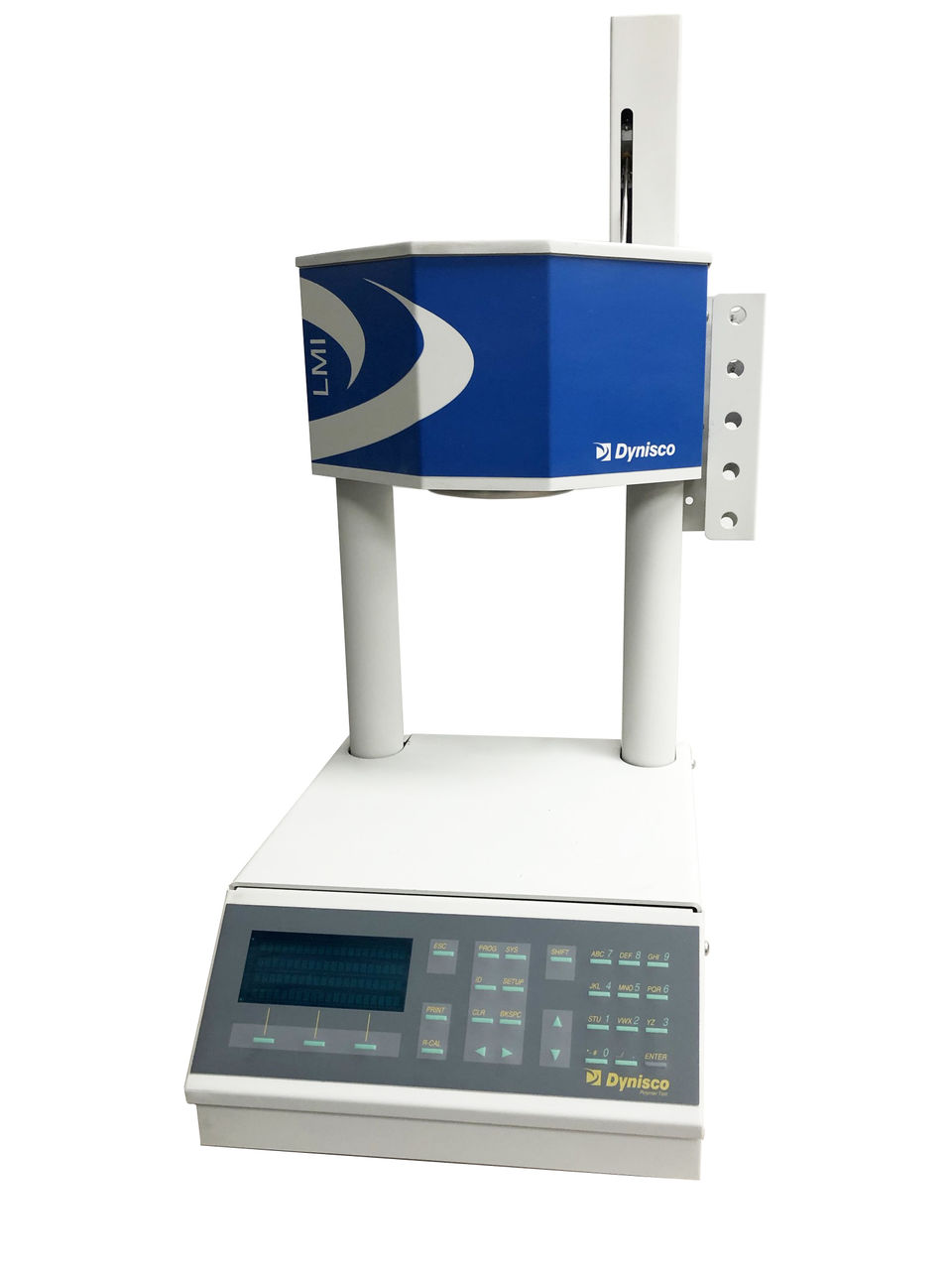
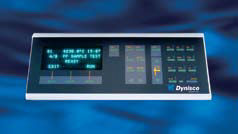
Wyświetlacz VFD 4 × 20 znaków
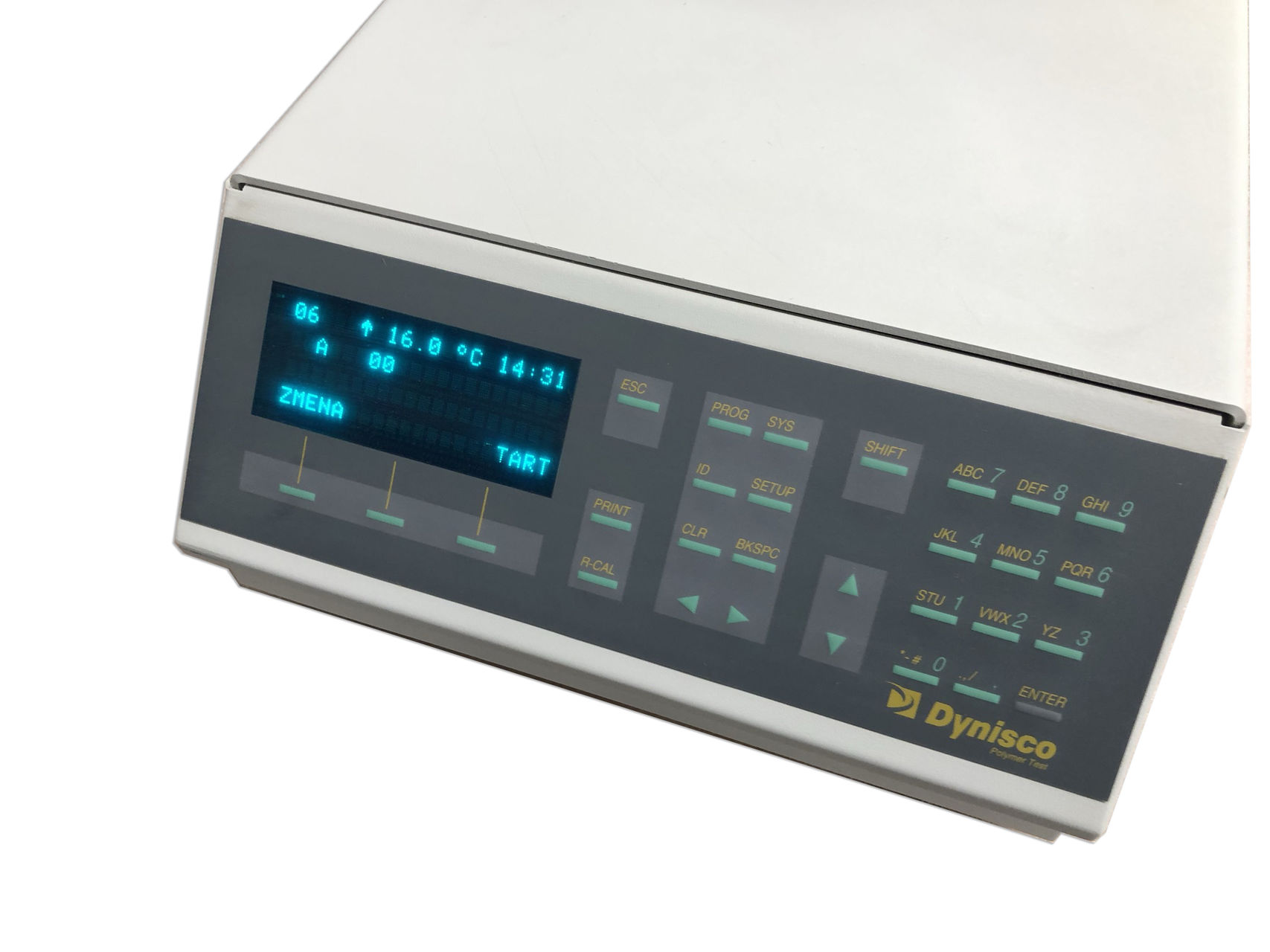
Próżniowy wyświetlacz fluorescencyjny z 4 wierszami i 20 znakami prezentuje szczegółowe informacje o teście, wprowadzonych warunkach, przebiegu pomiaru i wynikach.

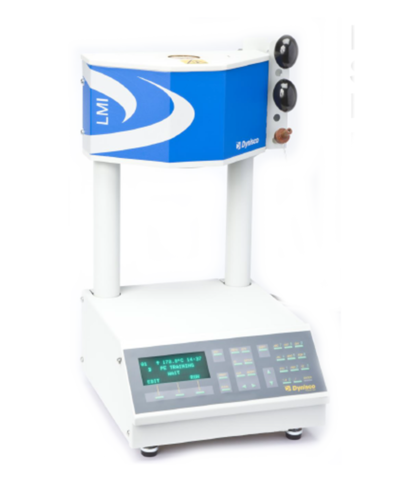
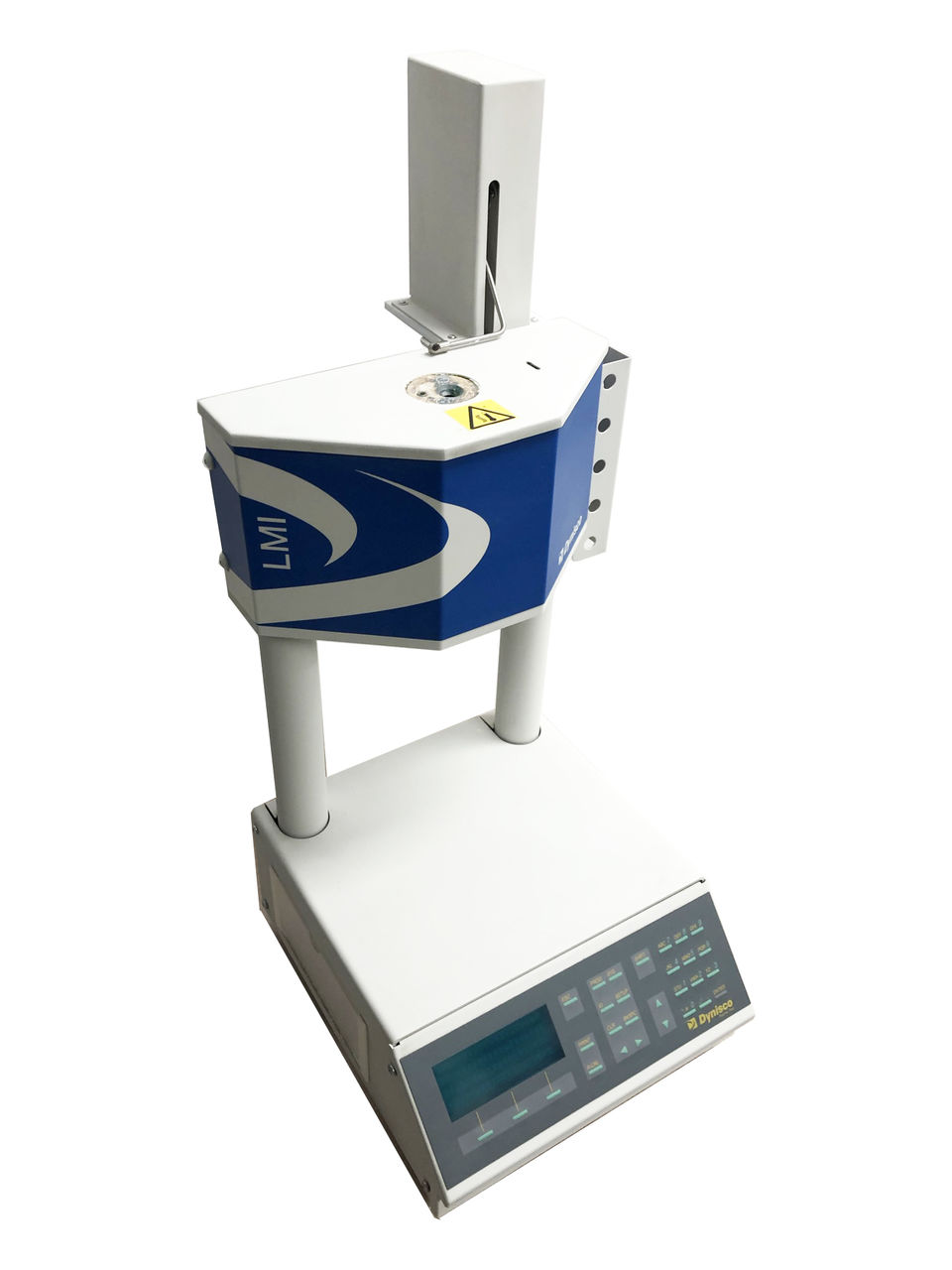
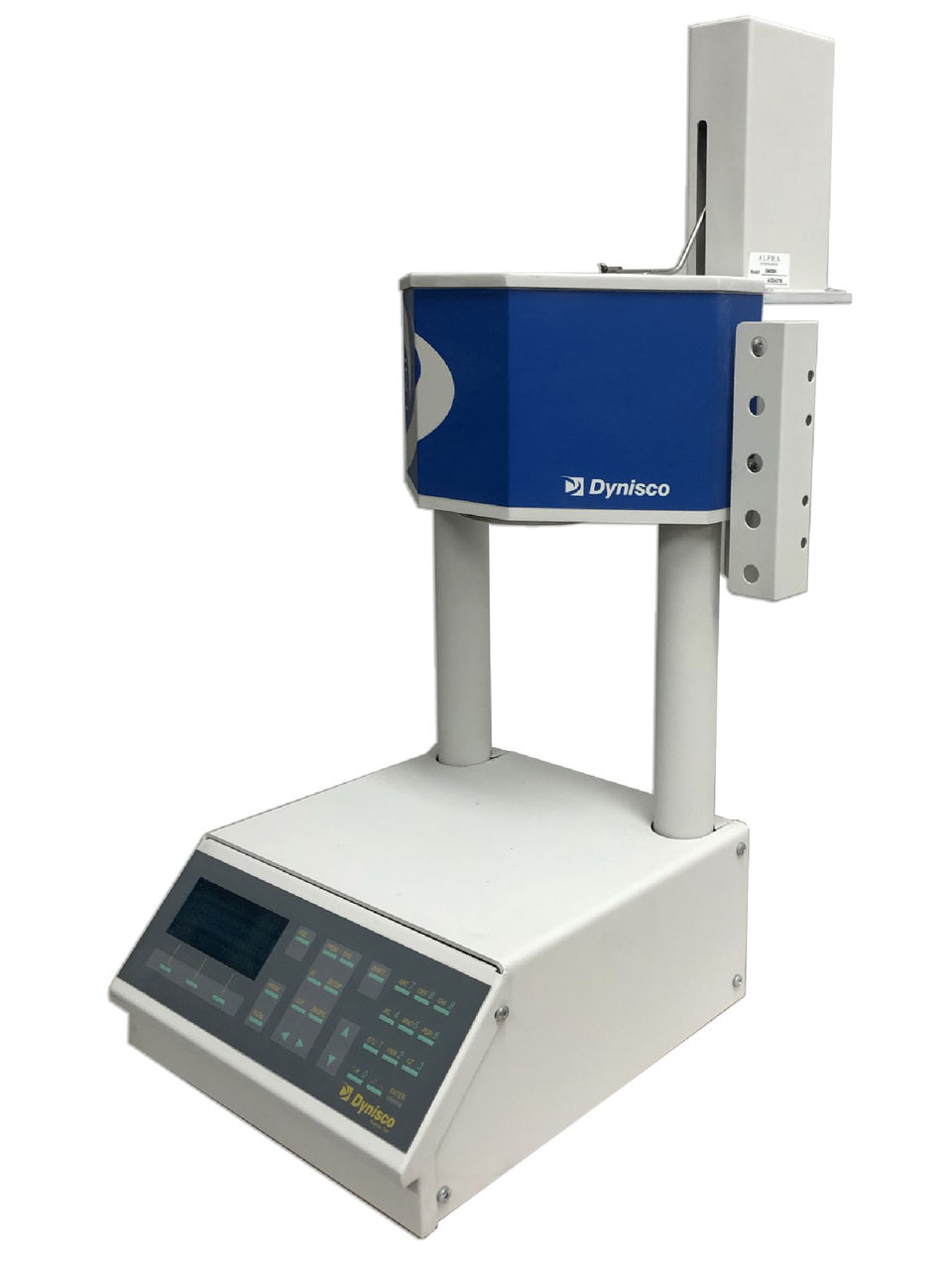
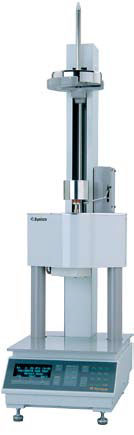
Model ten zawiera szereg kluczowych funkcji i możliwości, które ułatwią Państwu codzienną pracę. Dzięki kolorowemu ekranowi dotykowemu obsługa urządzenia jest bardziej intuicyjna i łatwiejsza niż wcześniej, a solidna konstrukcja oraz wysoka dokładność czynią z tego urządzenia idealne narzędzie pracy. Do nowych funkcji należą prostsza praca ze zmierzonymi danymi, takimi jak druk, eksport i archiwizacja, pneumatyczny system podnoszenia obciążników, pneumatyczny tłok ubijający, enkoder cyfrowy, nowe automatyczne odcinanie oraz oprogramowanie LaVa Suite do łatwej pracy ze zmierzonymi danymi. Niewątpliwą zaletą tego modelu jest możliwość stopniowego doposażenia bez konieczności modyfikacji mechanicznych. Prosimy o kontakt — chętnie zaprezentujemy Państwu to urządzenie w Państwa firmie całkowicie bezpłatnie i niezobowiązująco. Kapilarny plastometr wytłaczający spełnia międzynarodowe normy ASTM D1238 i D3364, ISO 1133, BS 2782, DIN 53735, JIS K7210.
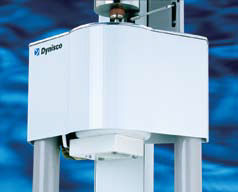
Dynisco LMI 4000 Series to seria plastometrów kapilarnych przeznaczonych do pomiaru wskaźnika szybkości płynięcia, objętościowego wskaźnika płynięcia oraz rozszerzonych parametrów reologicznych. Urządzenie zostało zaprojektowane do laboratoryjnej kontroli jakości z naciskiem na dokładność, elastyczne programowanie, ocenę statystyczną oraz możliwość połączenia z drukarką lub komputerem.

Seria LMI 4000 wykorzystuje przejrzyste sterowanie z próżniowym wyświetlaczem fluorescencyjnym, inteligentnymi przyciskami i klawiaturą membranową. Użytkownik ma szybki dostęp do typowych warunków testowych oraz możliwość wprowadzania własnych programów.

Próżniowy wyświetlacz fluorescencyjny z 4 wierszami i 20 znakami prezentuje szczegółowe informacje o teście, wprowadzonych warunkach, przebiegu pomiaru i wynikach.
Przyciski pod wyświetlaczem ułatwiają szybką nawigację w menu oraz wprowadzanie najczęściej używanych parametrów testowych. Do testów specjalnych można wykorzystać własne programy wprowadzane przez klawiaturę membranową.
Do zastosowań międzynarodowych dostępny jest interfejs językowy w języku angielskim, niemieckim, francuskim, hiszpańskim i czeskim.
Wyższe modele serii LMI 4000 obsługują enkoder cyfrowy, ocenę statystyczną, wyjście na drukarkę oraz pracę z oprogramowaniem MIWORKS do zarządzania danymi testowymi.
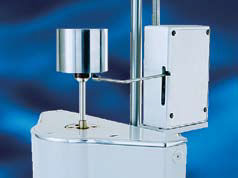
Opcjonalny czujnik cyfrowy D4059 mierzy przesunięcie tłoka i prędkość opadania przy metodzie B z dokładnością ±0,025 mm w zakresie drogi testowej 25,4 mm. Umożliwia uzyskanie do 15 dyskretnych wartości wskaźnika płynięcia z jednego napełnienia cylindra.
Oprogramowanie MIWORKS służy jako baza danych do testowania wskaźnika płynięcia. Umożliwia przesyłanie parametrów testowych do urządzenia, tworzenie wykresów kontrolnych oraz eksport danych do arkuszy kalkulacyjnych.
Modele D4003 i D4004 mogą generować szczegółowe raporty obejmujące warunki testowe, wartości wskaźnika płynięcia, naprężenie ścinające, lepkość, pozorną gęstość stopu oraz korelację lepkości istotnej PET.
Przy powtarzanym pomiarze tego samego materiału urządzenie oblicza średnią, odchylenie standardowe oraz współczynnik zmienności dla wartości wskaźnika płynięcia i lepkości.
Dla bardziej wymagających laboratoriów LMI 4000 można uzupełnić o elementy zwiększające bezpieczeństwo, ergonomię i powtarzalność pomiarów przy większych obciążeniach, materiałach korozyjnych lub częstych testach.
Systemy opuszczania i podnoszenia obciążników ułatwiają pracę z ciężkimi obciążeniami oraz wspierają bezpieczne wykonywanie testów współczynnika płynięcia lub testów z wieloma obciążeniami.
Do testowania PVC i innych materiałów korozyjnych dostępny jest cylinder stopowy, który rozszerza zastosowanie urządzenia w bardziej wymagających warunkach aplikacyjnych.
Do częstych testów lub pracy z polimerami technicznymi, które są trudniejsze w czyszczeniu, odpowiedni jest opcjonalny zestaw do szybkiego elektrycznego czyszczenia otworu cylindra.
LMI 4000 to odpowiednie rozwiązanie dla laboratoriów, które wymagają niezawodnego pomiaru wskaźnika szybkości płynięcia, szerszych możliwości oceny oraz elastycznej rozbudowy zgodnie z metodami testowymi.
Inteligentne przyciski, klawiatura membranowa i pamięć programów ułatwiają powtarzalne wprowadzanie warunków testowych.
Opcjonalny czujnik cyfrowy umożliwia dokładny pomiar przesunięcia tłoka oraz zbiór wielu wartości z jednego testu.
Wybrane modele obsługują druk i wyjścia z wynikami MFR, MVR, lepkości, parametrów ścinania, gęstości stopu i statystyki.
Opcjonalne lifty, cylinder stopowy, automatyczne odcinanie i zestaw czyszczący rozszerzają możliwości zastosowania w laboratorium produkcyjnym i rozwojowym.
LMI 4000 umożliwia ocenę podstawowych i rozszerzonych parametrów zachowania przepływowego stopionych tworzyw polimerowych.
| Wskaźnik szybkości płynięcia | MFR – Melt Flow Rate [g/10 min] |
|---|---|
| Objętościowy wskaźnik szybkości płynięcia | MVR – Melt Volume Rate [cm³/10 min] |
| Gęstość stopu | MD – Melt Density [g/cm³] |
| Lepkość istotna PET | IV – Intrinsic Viscosity [dl/g] |
| Lepkość ścinania | Shear Viscosity [Pa·s] |
| Szybkość odkształcenia ścinającego | Shear Rate [1/s] |
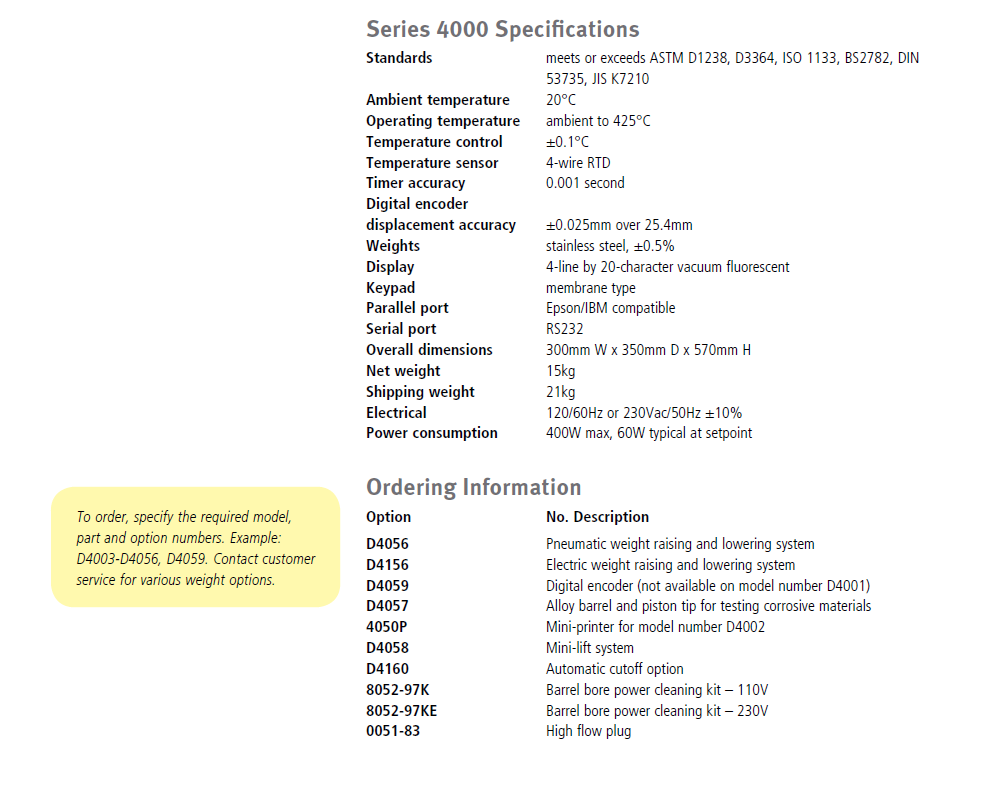
Główne parametry techniczne urządzenia Dynisco LMI 4000 Series do pomiaru wskaźnika szybkości płynięcia.
| Spełniane normy | ISO 1133-1, ASTM D1238 & D3364, BS 2782, DIN 53735, JIS K7210 |
|---|---|
| Temperatura robocza | Maks. 425 °C |
| Dokładność regulacji temperatury | ±0,10 °C |
| Dokładność timera | 0,001 s |
| Dokładność czujnika cyfrowego | ±0,025 mm powyżej 25,4 mm |
| Wyświetlanie | Próżniowy wyświetlacz fluorescencyjny, 4 wiersze po 20 znaków |
| Klawiatura | Typ membranowy |
| Obciążniki | Stal nierdzewna, dokładność ±0,5 % |
| Komunikacja | RS232, port równoległy kompatybilny z Epson / IBM |
| Oprogramowanie | MIWORKS for Windows do bazy danych testów, analizy i eksportu danych |
| Pamięć programów | Do 60 zestawów warunków testowych w modelach D4003 i D4004 |
Seria LMI 4000 obejmuje kilka poziomów modelowych zgodnie z wymaganą metodą pomiaru, pojemnością programów, wyjściami drukowania i połączeniem z komputerem.
| Model D4001 | Model podstawowy dla metody A, pamięć 5 programów. |
|---|---|
| Model D4002 | Obsługa metod A, B i Flow Rate Ratio, pamięć 20 programów, możliwość aktualizacji do wyższych modeli. |
| Model D4003 | Rozszerzona pojemność do 60 programów, komunikacja z drukarką, raportowanie szybkości ścinania, naprężenia ścinającego, lepkości i statystyki. |
| Model D4004 | Najwyższy model z komunikacją z komputerem, możliwością multipleksowego połączenia do 8 jednostek z jednym PC oraz obsługą oprogramowania MIWORKS. |
Dane wymiarowe, wagowe i zasilające modelu podstawowego.
| Wymiary całkowite modelu podstawowego | 300 mm W × 350 mm D × 570 mm H |
|---|---|
| Masa modelu podstawowego | 15 kg |
| Masa transportowa modelu podstawowego z obciążnikami | 21 kg |
| Napięcie systemu | 120 V / 60 Hz lub 230 Vac / 50 Hz, ±10 % |
| Moc | Maks. 400 W, typowo 60 W w punkcie nastawy |
Akcesoria można zamawiać oddzielnie lub jako kompletny zestaw w postaci kompletnej obudowy "black-box".
This tool is used to remove the capillary from the melt flow indexer barrek before the cleaning process. The piston to remove the capillary has to be inserted from the bottom side of the barrel and then the capillary is pushed upwards out of the instrument. For instruments that have an automatic cut-off system, a tool code HEX-030 must be used.
This tool is used to clean the chamber of melt flow indexer films and residue. One or two cotton patches are placed on the tool and the walls of the melt flow indexer barrel are cleaned by moving up and down. The capillary must be removed during this cleaning process, otherwise there is a risk of damage to the capillary.
This tool is used to fill and pack polymer samples into the barrel of the melt flow indexer and can be used with both types of powder or pellets or other types of polymers.
Glass beaker for measuring the sample. Can be used for powder mixtures and granulates.
The swivel head of the pin vise (drill body) offers comfortable operation. Thanks to the double-ended pliers, different drill bit sizes can be stored. For better control, the pin vise body is made of grooved aluminium. Under the swivel part of the handle, there is an additional pincer, which is suitable for larger drill bits. The flared end of the pin vise body is used for hanging in the accessory rack
Copper brush for cleaning residue in the melt flow indexers barrel. Its thread is in inches and is compatible only with the original handle supplied with the instrument or can be reordered according to part number:0051-47. Or use the replacement:B0555CZ
The copper brush with extended adapter is used for manual cleaning of thick residues and burns in the barrel of a melt flow indexer or rheometer. Due to the softness of the material, you do not have to worry about damaging the instrument barrel. Thanks to the extended length, it lasts longer and removes more dirt per cleaning than standard brushes. It is mainly ideal for materials such as PET/PET/PC and additives that cause burns due to residual moisture, for example, and is very difficult to clean with cotton patches .
Standard capillary for Dynisco plastometer with an inner diameter of 0.95 mm and a length of 8 mm. The capillary is identical on both sides and is coated with a layer of Wolram Carbide, which gives the capillaries greater hardness and longer life. The capillary is used for all standard polymeric materials up to a flow index range of 0.1 [g / 10min] to 80 [g / 10min]. For higher indices, we recommend using a so-called half-capillary with half dimensions.
The half capillary is used for polymeric materials with very low viscosity. These materials, which achieve flow indices higher than 80 [g / 10min], will slow down and their testing will be no problem. If you are going to use a half capillary, you need to adjust the capillary plastometer settings and record this change in settings.
Cylindrical certified calibre for checking the capillary to the Dynisco melt flow indexer. The green end of the caliper must pass through the inner diameter of the capillary but the red end of the caliber must not pass through the diameter of the capillary. If the red end of the roller gauge passes through the capillary, it means that the capillary's inner diameter does not meet the required specifications and must be replaced.
Knife for manual cutting of the sample from the capillary melt flow indexer and for subsequent cleaning of the capillary. It is made of high quality wooden handle and mild steel, which guarantees flexible blade bending and ensures comfortable cutting of the sample.
The LMI accessory rack is used to store hot or used tools that are hung in the rack. After cooling, the individual elements can be cleaned. The rack helps to keep the workbench tidy and minimise the risk of injury.
Certified measuring piston for Dynisco capillary plastometer with a declared weight of 100g. The piston contains 3 marked positions (lines) that show the position of the start of sampling and the end of sampling in the range of 30 mm according to ISO 1133 and a distance of 1 inch for ASTM D1238.
The stainless steel capillary brush with a diameter of 2.2 mm is the ideal tool for materials that are difficult to clean with heat. Thanks to its solid construction, it is very easy and comfortable to use despite its miniature size. The brush confidently cleans all residual polymer deposits inside the capillary and thus ensures perfect measurement results.
Cleaning wheels for laboratory instruments have high cotton quality and low dust resistance. As a result, you will always have the instrument quickly and conveniently cleaned of all polymer deposits inside the barrel. Thanks to the 100% cotton, the polymer does not smear on the barrel wall, but stays on the cotton roller, which does not tear and leaves no lint.
Standard laboratory scales with clear display, simple operation and five operating modes. The advantage of this series is the PRE-TARE function (when activated, the stored weight is automatically deducted from the current measured weight).
The High Flow Plug is used as a seal against leakage of a filled barrel of a polymer that has a very low viscosity.
Cordless angle drill for easy and quick cleaning of the melt flow indexer barrel. In combination with the cleaning mandrel with replaceable tip, this set is the best helper, which also has a positive effect on the accuracy and the results provided. It also includes an extension mandrel for attaching the brush.
Cordless angle drill for easy and quick cleaning of the melt flow indexer barrel. In combination with the cleaning mandrel with replaceable tip, this set is the best helper, which also has a positive effect on the accuracy and the results provided.
The 8.5in (22cm) cleaning rod is used in combination with the cleaning tip and the cotton cleaning wheels. With this combination, you can clean the chamber quickly and easily using the cordless drill, with a positive effect on the accuracy of the instrument.
The barrel cleaning tip is used in combination with cotton cleaning patches and an extension cleaning rod. The tips are replaceable and made of aluminium to prevent damage to the melt flow indexer barrel. Nevertheless, this cleaning tip is only used with cotton patches.
The inspection mirror is used for inspection when cleaning the device, thanks to the telescopic handle you can easily and without risk get everywhere where you would otherwise have to lean or lean towards places with high temperature and thus avoid the risk of burns.
Integrate and aggregate data from existing Dynisco products such as our LMI5000 & LMI4004 melt flow indexers, our LCR7000 capillary rheometer, and instrumentation like our UPR900 process indicator via the Dynisco Edge Device. With the Edge Device you have a single board computer that helps you better understand and manage:
The universally applicable Memmert laboratory dryer is a classic temperature control device in the field of research, science and materials testing. Technologically improved construction made of high quality and easy to clean stainless steel. It has ventilation and control technology (optional), protection against overheating and precisely tuned heating technology.
Przegląd istotnych zasobów do pracy z produktami, weryfikacji certyfikatów, szkoleń technicznych oraz szybszego rozwiązywania typowych pytań eksploatacyjnych lub aplikacyjnych.

Przegląd dostępnych certyfikatów i dopuszczeń dla poszczególnych produktów. Sekcja służy do weryfikacji zgodności, jakości oraz wymagań bezpieczeństwa zgodnie z aktualnie dostępną dokumentacją.
Wyświetl certyfikaty
Kursy online i materiały informacyjne ukierunkowane na efektywne użytkowanie produktów, prawidłowe procedury pracy oraz lepszą orientację w technologiach i możliwościach aplikacyjnych.
Przejdź do E-Learningu
Praktyczne filmy umożliwiające szybkie zapoznanie się z produktami, prezentujące sposób użytkowania oraz rozwiązania typowych sytuacji. Odpowiednie jako uzupełnienie wsparcia technicznego oraz do szkolenia operatorów.
Wyświetl filmy
Artykuły techniczne, zalecenia i praktyczne informacje dotyczące produktów, ich zastosowania oraz rozwiązywania wybranych kwestii eksploatacyjnych lub aplikacyjnych.
Przejdź do artykułów