FCR-R - Rheometer
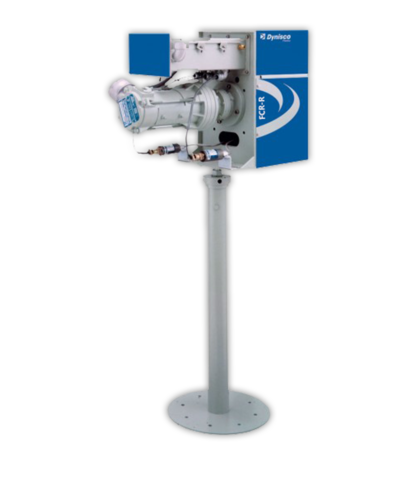
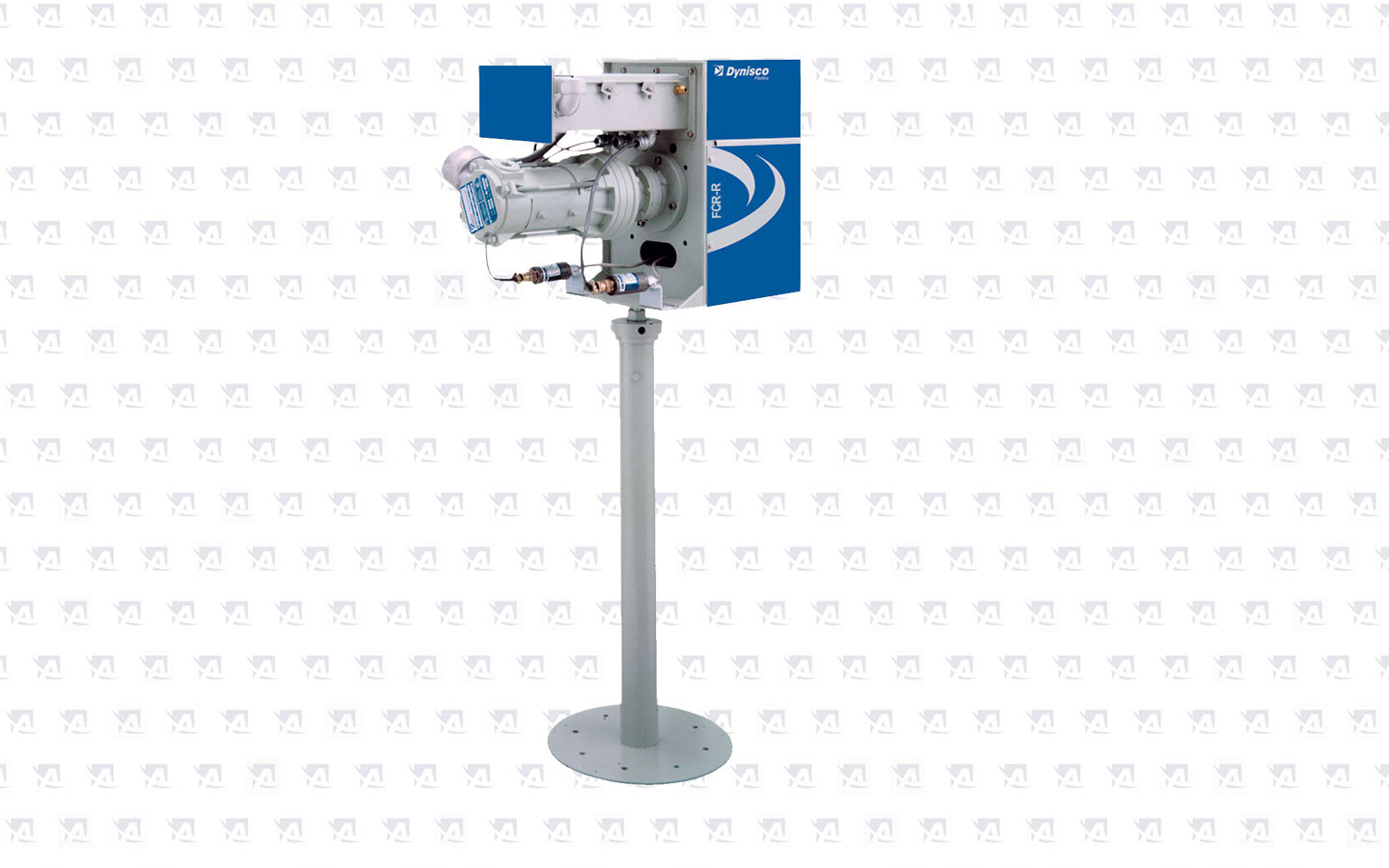
Specifically designed for the synthetic fiber production industry, the Dynisco FCR-R series can be configured to measure a range of apparent shear viscosities, dual melt flow rate, simultaneous melt flow rate and extensional viscosities using the Cogswell Equations. The FCR-R system consists of two parts: a rheometer head and a rheometer control unit (RCU). The rheometer head is connected directly to the process which samples, conditions, and measures the melt viscosity of the molten resin through two separate dies. The RCU controls the rheometer test parameters (temperature, pressure and rate) and takes in data from the measurement head as well as provides outputs of computed results.
Features:
■ On-line apparent viscosities over a broad shear rate range
■ Unique dual capillary design with return stream
■ On-line measurements of polymer extensional properties
■ Data exchange by analog and digital input/outputs
■ Simple calibration
Inquiry system
Configure your own device, according to your requirements and needs. If you are not sure about the configuration, make the necessary information about the processed materials in the notes. Thanks to this information, we are able to create several offers depending on the equipment and after consultation you can choose according to your needs. If you need a comparison for tenders, we will be happy to help you find an alternative product from the Dynisco portfolio.
If you need more information do not hesitate to contact us.
Dynisco Configuration Code:
Online Rheological Measurement Experience the Benefits of Online Rheology Measurement
FCR - The Flow Characterization Rheometer
DYNISCO Polymer Test is a world leader in the field of on-line rheological measurements for the plastics industry. Specifically designed for the thermoplastics resin industry, the FCR (Flow Characterization Rheometer) provides continuous measurements of the melt flow or apparent viscosity directly on the manufacturing process. The FCR system consists of two parts: 1.) The Rheometer, connected directly to the process, which samples, conditions, and measures the flow of the molten resin through two separate dies, and 2.) The RCU (Rheometer Control Unit) that controls the rheometer test para-meters, takes in data from the mea-surement head, and provides outputs of computed results. lt can provide communications to an external distributed control system. The FCR can be configured to measure dual melt flow rates, simultaneous MFR and apparent viscosity, a range of apparent shear viscosities, and extensional viscosities using the Cogswell Equations.
Rheometer Control Unit
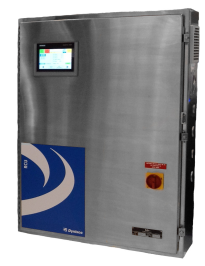
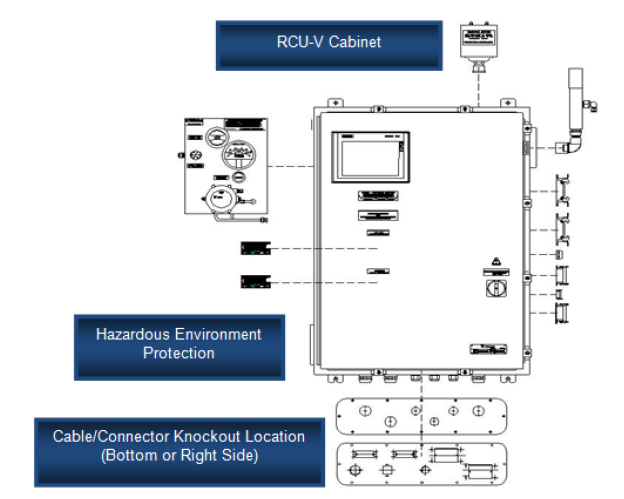
The Rheometer Control Unit is contained in a NEMA 4 (IP 54) box that may be located in the control room or on the process floor. Programming of the control functions and output displays are achieved via a local color display with a touch screen interface. The RCU can communicate with a Distributed Control System (DCS) through its analog and serial outputs. The RCU operates independently and will continue its control and analysis functions in the event of a DCS failure.
Options
■ Various Capillaries
■ Process Isolation Valve
■ Standing Console or Wall Mount for RCU
■ Additional I/O
■ Heated Transfer Section
■ Modbus RTU or TCP, Profibus, Profinet, Open TCP
■ Hazardous ocation
■ NEMA 4X
■ Simple calibration
Performance Characteristics
| Melt Flow Index: |
0.02 - 5000 g/10 min |
| Viscosity Range: |
10 - 105 Pa.S |
| Shear Stress: |
150 - 1.5 x 10⁵ Pa |
| Shear Rate: |
1 – 5000 s-1 (standard die) max. 50,000 s-1 (special die) |
Dies:
|
|
| Viscosity: |
1 - 5mm, 10 do 30:1 L/D |
| Melt Flow Index: |
3.8182:1 L/D |
| Special Dies: |
Na życzenie |
| Temp. Range: |
40 – 80°C |
| Pressure Range: |
3 x 10⁵ – 3.5 x 10⁷ Pa |
| Metering Pump: |
0.30 cm3 / RPM (standard)
Optional pumps available
|
| Pump Speed: |
2 – 40 RPM |
| Polymer Flow: |
680 g/hour (average) |
Measurement and Control Functions
Shear Stress Mode:
|
| Set point: |
Pressure |
| Measurement: |
Melt Flow Index |
Shear Rate Mode:
|
| Set point: |
Pump Speed |
| Measurement: |
Apparent Viscosity |
| Temperature control: |
2 Heating Zones
Pump and Capillaries |
RCU Specifications
| Electrical Cabinet: |
NEMA 4 (IP 54) |
| CPU: |
S7-300 |
| Operator Interface: |
Touch screen display |
Analog Outputs: (4 – 20 mA Standard)
| Temperature: |
Pump Temperature
Capillary Temperature
Melt 1 & 2, Average, Aux |
| Pressure: |
Transducer 1,2,3
Delta Pressure 1,2 |
| Rheological: |
MFR, Shear Rate, Shear Stress,
Melt Viscosity, Relative Viscosity,
Intrinsic Viscosity |
Digital Inputs: (NO/NC Dry Contacts)
| Test (motor): |
on/ off |
| Heat: |
on/ off |
| Mode: |
pressure / speed |
Digital Outputs: (NO/NC)
| Fault |
| Alarm |
| Local/ Remote |
| Motor on/ off |
| Material in range |
Electrical Specifications
| System Voltage: |
220-240V Single Phase 50/60 Hz |
| Power: |
2000 W (max) |
Dimensions RCU:
This capillary plastometer from the LMFI 5500 series enables the measurement of most rheological parameters of thermoplastics, including IV for PET. The LMFI 5500 series ranks among the most precise instruments of its kind in the world. Intuitive controls ensure easy operation, while the expert operator mode significantly shortens the entire measurement process. Thanks to its sophisticated functions and technologies, the instrument provides the highest possible measurement accuracy. Gravity value correction and dual-zone heating not only meet but also exceed the requirements of the latest applicable ISO 1133-2 standard.
This model is ideal for quality control in laboratories, institutes and universities where accuracy is truly essential. Try the LMFI 5500 and obtain a reliable and precise instrument that will help you improve the quality of your products.
We present to you the LMI6000 series — a new generation of convenience and performance. The automated electromechanical lifting mechanism simplifies weight lifting. The larger, adjustable touchscreen enables easy operation. The modernised hardware architecture delivers higher performance. Software automation allows tests to be started with a single button. The LMI6000 brings a new standard to your working environment, combining convenience, efficiency and reliability.
The new LCR 7000 Capillary Rheometer range offers a number of new features and meets the requirements of 24-hour operation while maintaining the highest possible accuracy, repeatability and sensitivity. The LCR series rheometers are versatile and easy to use, but offer the most complex methods for polymer characterization, data analysis and reporting capabilities. The LCR series can be used with a standard load cell and a pressure transducer mounted in the rheometer chamber.
Meets standards:
DIN ISO-11433, DIN-53014, DIN-54811, ASTM-D3835
The Dynisco Polymer Test LME Laboratory Mixing Extruder is a unique laboratory tool developed to evaluate the processability of a variety of plastics and rubbers prior to production. From very fine powders to coarse materials, the LME will meet many extruding needs. The LME possesses a movable header and dial gage that allows for constant mixer adjustability. While in operation, the rotational shearing (mixing) is controlled by adjusting the distance between the end of the rotor and the inside header.
 Overview of Available Certificates and Approvals: Visit this link, which will take you to a page with a comprehensive list of current certificates and approvals for our products. Here, you can verify that our offerings meet the highest standards of quality and safety.
 Discover the world of our online E-Learning page and find out how to streamline your daily use of our products. Our practical and comprehensive courses and informational materials will show you how to simplify and enhance the use of our technologies, uncover new information and techniques, and optimize work processes. With these resources, you'll achieve higher efficiency, save time, and improve your work results.
 Our instructional videos offer an interactive way to learn about our products. Combining visual and auditory content, they provide practical solutions to common issues, saving you time and avoiding potential problems. If you encounter an issue, our video manuals offer detailed instructions and practical tips to help you resolve it. Available at any time, they provide a convenient resource that complements our technical support.
 Our technical articles offer a practical way to learn more about our products and their use. They provide detailed information and practical tips on how to solve common problems, saving you time and helping you avoid potential issues. If you still encounter a problem, our technical articles offer specific instructions for solving it. They are available at any time and are a convenient source of information that complements our technical support.